
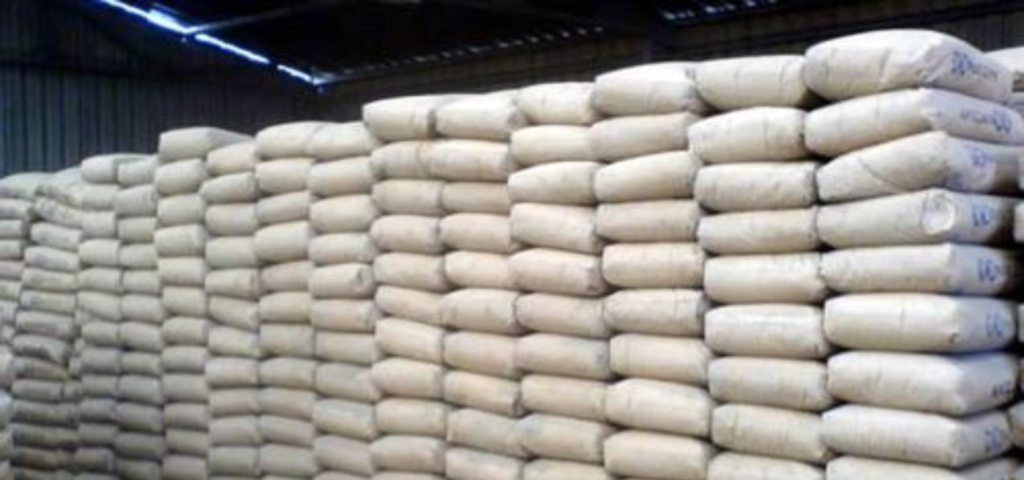
Cement is the most critical binding material in construction. Whether it is used for concrete, mortar, plaster, or screed, the strength, durability, and performance of a structure depend heavily on cement quality. However, even the best-quality cement can lose its strength if it is stored improperly at the construction site.
Table of Contents
One of the most common and costly mistakes in construction is ignoring proper cement storage practices. Moisture exposure, prolonged storage, poor stacking methods, and careless handling can reduce cement strength significantly—sometimes before it is even used.
This blog explains why proper cement storage is essential, how cement deteriorates when mishandled, and provides step-by-step guidelines to store cement correctly on-site to ensure maximum strength and durability.
Why Proper Cement Storage Is Critical
Cement is a hydraulic binder, meaning it reacts chemically with water to gain strength. This property makes cement extremely sensitive to moisture and humidity even before it is mixed.
Improper storage can result in:
- Partial hydration before use
- Loss of fineness
- Reduced binding capability
- Lower compressive strength
- Increased setting time variability
- Higher material wastage
- Structural weakness in concrete or mortar
Once cement strength is compromised, it cannot be restored.
How Cement Loses Strength During Storage
Cement deterioration occurs due to several mechanisms.
Moisture Absorption
Cement absorbs moisture from air. Even a small amount of humidity can trigger partial hydration.
Lump Formation
Moist cement forms lumps, indicating loss of reactivity.
Carbonation
Cement reacts with carbon dioxide in air, reducing its binding efficiency.
Prolonged Storage
With time, cement gradually loses strength even if stored under good conditions.
Shelf Life of Cement
Cement does not last indefinitely.
| Storage Duration | Approximate Strength Loss |
|---|---|
| Up to 1 month | Negligible |
| 3 months | 10–20% |
| 6 months | 25–30% |
| 12 months | Up to 40% |
Proper storage can slow this process but cannot stop it entirely.
Ideal Storage Location for Cement on Site
Dry and Moisture-Free Area
Cement must always be stored in a dry, covered, and moisture-free environment.
Elevated Platform
Never store cement bags directly on the ground.
| Requirement | Recommended Practice |
|---|---|
| Ground contact | Avoid completely |
| Platform height | Minimum 150–200 mm above ground |
| Platform material | Wooden planks, pallets, or raised concrete base |
Elevated storage prevents moisture absorption from soil.
Protection from Rain and Humidity
Covered Storage Area
Cement should be stored in a weatherproof shed or enclosed room.
Tarpaulin Covering
If a shed is unavailable:
- Cover stacks with waterproof tarpaulin
- Ensure the cover does not touch the ground
- Provide ventilation to avoid condensation
Improper covering can trap moisture inside, which is equally harmful.
Proper Stacking of Cement Bags
Incorrect stacking is one of the most common site mistakes.
Recommended Stacking Method
| Parameter | Best Practice |
|---|---|
| Maximum stack height | 10 bags |
| Stack width | 4 bags |
| Distance from walls | Minimum 300 mm |
| Arrangement | Cross-stacked for stability |
Stacks should be arranged to allow air circulation and inspection.
Why Stack Height Matters
- Excessive height causes bag compaction
- Compaction leads to lump formation
- Bottom bags deteriorate faster
Limiting stack height preserves cement quality and reduces wastage.
Cement Storage in Monsoon or High-Humidity Conditions
Extra precautions are required during rainy seasons.
Additional Measures
- Double tarpaulin covering
- Use of moisture barriers under stacks
- Shorter storage duration
- Priority consumption of older bags
Humidity accelerates hydration even without direct water contact.
FIFO Method: First In, First Out
Always use the FIFO principle for cement consumption.
| Rule | Purpose |
|---|---|
| Old stock used first | Prevents strength loss |
| New stock stored separately | Avoids mixing |
| Date marking on bags | Easy tracking |
Never mix old cement with new cement without testing.
Cement Storage in Bulk (For Large Projects)
For large construction sites, cement may be stored in silos.
Advantages of Silo Storage
- Complete moisture protection
- Reduced handling loss
- Longer shelf life
- Automated feeding
Key Precautions
- Ensure airtight sealing
- Regular inspection for condensation
- Proper silo ventilation system
Handling Cement Bags on Site
Improper handling damages packaging and exposes cement.
Best Handling Practices
- Do not throw cement bags
- Avoid dragging bags on rough surfaces
- Handle gently to prevent tearing
- Repair damaged bags immediately
Torn bags allow moisture ingress even in dry environments.
Identifying Damaged or Deteriorated Cement
Before use, cement should be visually and physically checked.
Signs of Deterioration
| Indicator | What It Means |
|---|---|
| Hard lumps | Partial hydration |
| Warm bag interior | Ongoing chemical reaction |
| Grayish-white color | Carbonation |
| Reduced fineness | Strength loss |
Slight lumps that crumble easily may still be usable, but hard lumps indicate rejection.
Testing Stored Cement Before Use
When cement has been stored for long periods, testing is recommended.
Common Checks
- Fineness test
- Setting time test
- Compressive strength test (lab)
Site engineers should reject cement that fails minimum standards.
Impact of Improper Cement Storage on Construction Quality
Improper storage directly affects:
- Concrete strength
- Mortar bonding
- Plaster durability
- Crack resistance
- Long-term structural performance
| Area Affected | Result |
|---|---|
| Beams & slabs | Reduced load capacity |
| Masonry work | Weak bonding |
| Plaster | Cracking & peeling |
| Flooring | Hollow sounds & failure |
Common Cement Storage Mistakes on Construction Sites
- Storing bags directly on ground
- Using torn tarpaulin covers
- Overstacking bags
- Mixing old and new cement
- Long-term storage without testing
- Ignoring humidity effects
Each of these mistakes can compromise structural integrity.
Best Practices Checklist for Cement Storage
| Checklist Item | Status |
|---|---|
| Dry storage area | Required |
| Elevated platform | Mandatory |
| Waterproof covering | Essential |
| Controlled stack height | Important |
| FIFO followed | Critical |
| Regular inspection | Necessary |
Cement Storage for Small Residential Projects
Even small projects must follow proper storage rules.
Practical Tips for Home Builders
- Buy cement in smaller batches
- Avoid long-term storage
- Use cement within 30–45 days
- Store inside a room, not outdoors
Short storage duration is the best protection against strength loss.
Economic Impact of Poor Cement Storage
Improper storage leads to:
- Material wastage
- Rework costs
- Reduced structural lifespan
- Increased maintenance expenses
Saving on storage arrangements often leads to higher long-term losses.
Role of Site Supervision in Cement Storage
Site engineers and supervisors must ensure:
- Storage guidelines are followed
- Workers understand handling practices
- Damaged bags are segregated
- Inventory is tracked properly
Good supervision is as important as good material quality.

Final Thoughts : Cement Quality Depends on Storage Discipline
Cement is a sensitive material. Even a few days of improper storage can permanently reduce its strength. While manufacturers produce cement under controlled conditions, its performance ultimately depends on how it is stored and handled on-site.
Proper cement storage is not an optional best practice—it is a fundamental requirement for safe, durable, and high-quality construction.
By following correct storage methods, builders and homeowners can ensure:
- Maximum strength utilization
- Reduced wastage
- Improved structural safety
- Longer building life
In construction, materials don’t fail—practices do.