Building a house is one of the most important and exciting investments in life. However, one of the most common questions homeowners ask is:
“How long will it actually take to build my house?”
Table of Contents
The answer depends on multiple factors such as project size, weather conditions, labor availability, material supply, and design complexity. But with proper planning and execution, you can estimate a realistic timeline for each stage of construction.
This detailed guide explains the complete house construction timeline in 2026, including how many days each stage typically takes, what affects timelines, and how to avoid delays.
Complete House Construction Timeline (Overview)
| Stage | Estimated Duration |
|---|---|
| Planning & Approval | 15–45 days |
| Site Preparation | 5–10 days |
| Foundation Work | 10–20 days |
| Structural Frame | 30–60 days |
| Masonry Work | 20–30 days |
| Roofing & Waterproofing | 10–15 days |
| Electrical & Plumbing | 15–25 days |
| Plastering | 15–20 days |
| Flooring & Tiling | 10–20 days |
| Painting & Finishing | 15–25 days |
| Final Work & Handover | 7–15 days |
👉 Total Estimated Time: 4 to 8 months (depending on project scale)
Stage 1: Planning & Approval (15–45 Days)
Before construction begins, approvals and planning are required.
Includes:
- Architectural design
- Structural drawings
- Budget planning
- Government approvals
- Soil testing
Why It Takes Time:
Approval delays, documentation errors, and design revisions can extend this phase.
Stage 2: Site Preparation (5–10 Days)
Once approvals are done, site preparation begins.
Activities:
- Land clearing
- Leveling
- Boundary marking
- Temporary water and electricity setup
Proper site preparation ensures smooth construction flow.
Stage 3: Foundation Work (10–20 Days)
Foundation is the most critical stage of construction.
Includes:
- Excavation
- Footing construction
- PCC (Plain Cement Concrete)
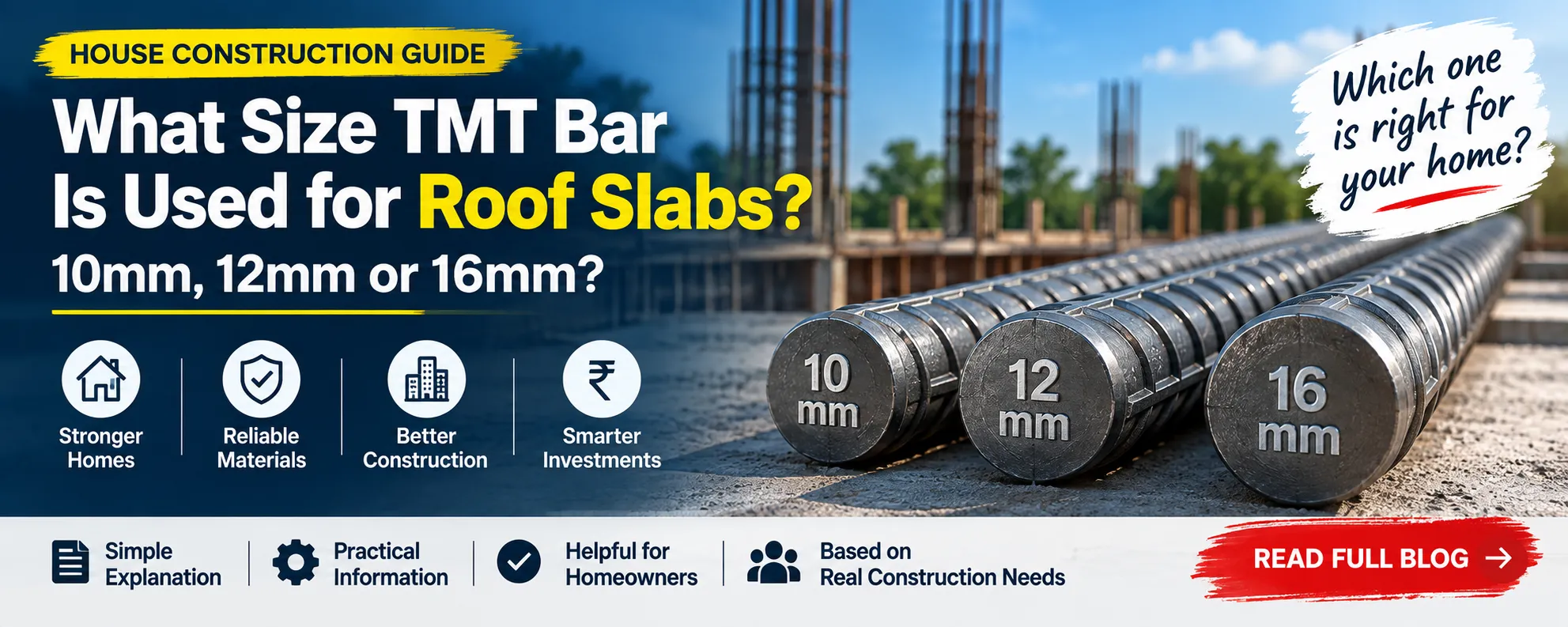
- Reinforcement using TMT bars
- Concrete pouring
Key Factors:
Soil type and foundation depth significantly affect duration.
Stage 4: Structural Frame (30–60 Days)
This stage forms the skeleton of the house.
Work Includes:
- Columns
- Beams
- Slabs
- Reinforcement using high-quality TMT bars
Important:
Proper curing (7–14 days per slab) is essential and cannot be rushed.
Stage 5: Masonry Work (20–30 Days)
Walls and partitions are constructed in this stage.
Materials Used:
- Bricks or AAC blocks
- Cement mortar
Timeline Factors:
- Type of blocks
- Labor availability
- Design complexity
Stage 6: Roofing & Waterproofing (10–15 Days)
Roofing protects the structure from environmental exposure.
Includes:
- Slab casting
- Waterproofing treatment
- Heat insulation (optional)
Proper waterproofing is essential to prevent leakage.
Stage 7: Electrical & Plumbing (15–25 Days)
This stage involves internal service installation.
Electrical Work:
- Wiring
- Switchboards
- Conduits
Plumbing Work:
- Water pipelines
- Drainage systems
- Bathroom fittings
This stage must be completed before plastering.
Stage 8: Plastering (15–20 Days)
Plastering improves wall strength and finish.
Includes:
- Internal plaster
- External plaster
Proper curing ensures durability and crack resistance.
Stage 9: Flooring & Tiling (10–20 Days)
Flooring adds aesthetic appeal and functionality.
Materials:
- Tiles
- Marble
- Granite
Time depends on tile type and area size.
Stage 10: Painting & Finishing (15–25 Days)
This stage gives the final look to your home.
Includes:
- Putty application
- Primer
- Painting (interior & exterior)
Using premium paints like Asian Paints ensures durability.
Stage 11: Final Work & Handover (7–15 Days)
The final stage includes:
- Cleaning
- Electrical fittings
- Plumbing fixtures
- Door and window installation
- Final inspection
After this, the house is ready for occupancy.
Factors That Affect Construction Timeline
Several factors can increase or decrease construction time:
1. Weather Conditions
Rain and extreme heat can delay work.
2. Material Availability
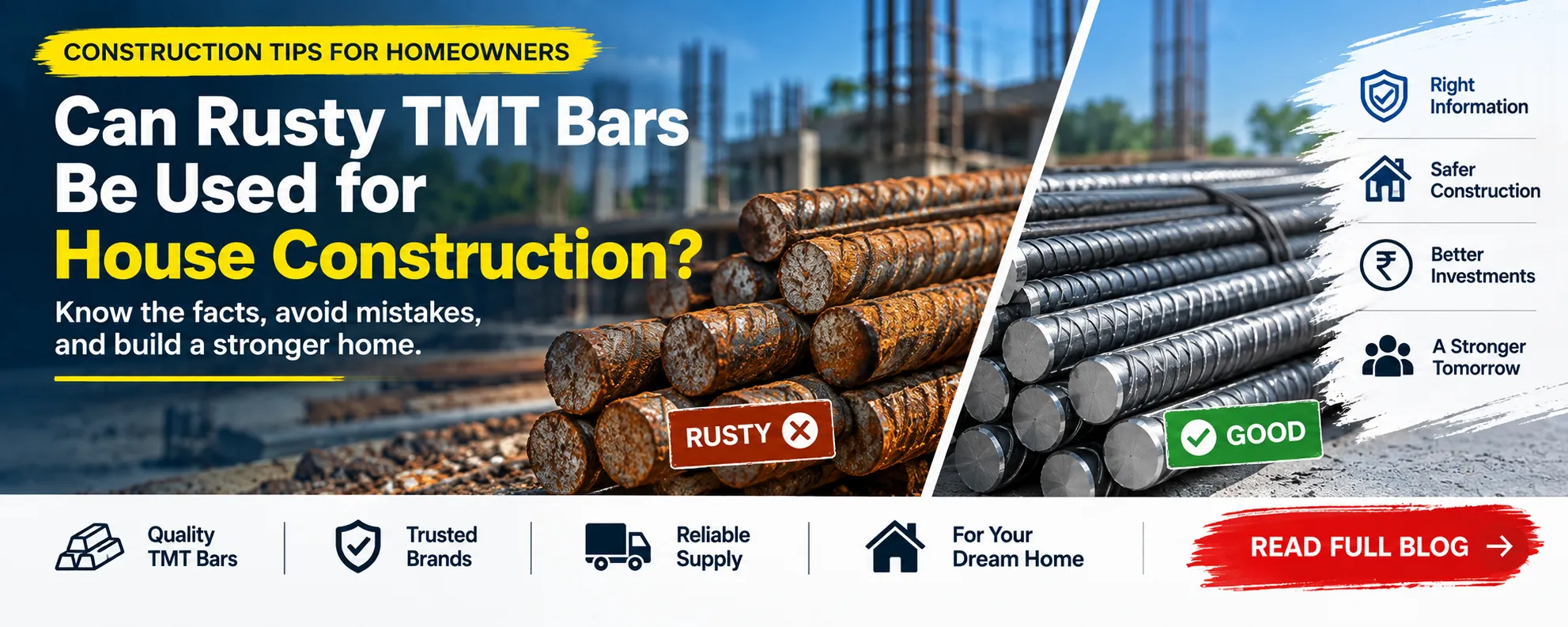
Delays in TMT bars, cement, or tiles can halt progress.
3. Labor Efficiency
Skilled labor speeds up work significantly.
4. Design Complexity
Modern or custom designs require more time.
5. Budget Flow
Delayed payments can slow down construction.
Tips to Complete Construction Faster
- Plan materials in advance
- Choose reliable suppliers
- Avoid design changes during construction
- Ensure continuous labor availability
- Use quality materials to avoid rework
Why Material Quality Affects Timeline
Using poor-quality materials can cause:
- Rework delays
- Structural issues
- Increased curing time
- Maintenance problems
Using trusted materials like high-quality TMT bars, cement, and paints ensures smooth and timely construction.
Trusted Supplier for Construction Materials
Pahari Home Solutions Pvt. Ltd. is a trusted dealer, distributor, supplier, and wholesaler of construction materials across West Bengal.
We supply:
- TMT Bars (Tata Tiscon, SAIL, Jindal Panther, etc.)
- Cement (UltraTech, Ambuja, Nuvoco, Ramco)
- Paints (Asian Paints)
- Tiles, sanitaryware, and more
📍 Delivery across Purba Medinipur, Paschim Medinipur, Jhargram, Kolkata, Howrah
📞 Call / WhatsApp: +91 7584055356
🌐 Website: https://paharihomesolutions.in
🏢 Pahari Home Solutions Pvt. Ltd. – One Stop Solution for All Your Construction Needs
Frequently Asked Questions (FAQs)
How long does it take to build a house in India?
Typically, 4 to 8 months depending on size, design, and material availability.
Which stage takes the longest time?
The structural frame stage takes the most time due to curing requirements.
Can house construction be completed in 3 months?
Only small houses with pre-planned materials and labor can be completed in such a short time.
Does weather affect construction time?
Yes, especially during monsoon seasons.
How can I reduce construction time?
Use ready materials, plan properly, and hire experienced contractors.
Why is curing important?
Curing strengthens concrete and prevents cracks.
Can multiple stages run simultaneously?
Some stages like plumbing and electrical work can overlap.
Does using better materials reduce time?
Yes, high-quality materials reduce rework and delays.
What causes the most delays in construction?
Material shortage, labor issues, and design changes.
Is planning really important?
Yes, proper planning can save weeks or even months.
Conclusion
Understanding the construction timeline helps homeowners plan better, manage budgets efficiently, and avoid unnecessary stress. While the average house construction takes between 4 to 8 months, actual timelines depend on multiple factors including planning, material quality, labor efficiency, and environmental conditions.
Each stage of construction—from foundation to finishing—requires careful execution and proper time allocation. Rushing critical processes like curing or waterproofing can compromise structural safety and lead to long-term issues.
By choosing the right materials, working with experienced professionals, and sourcing from reliable suppliers like Pahari Home Solutions Pvt. Ltd., you can ensure a smooth, efficient, and timely construction process.
Building a home is not just about completing a project—it is about creating a safe, durable, and long-lasting space for your future. With proper planning and the right approach, your dream home can be completed on time and built to last for generations.
Build smart. Build strong. Build on time.